The resilience of Cameco Corp. (TSX:CCO)(NYSE:CCJ) never fails to impress me. Cameco is the world’s largest miner of uranium. Faced with a prolonged weakness of uranium prices, the company continues to move forward, become more efficient, and prepare for a resurgence in in the uranium market.
Why are uranium prices so low?
Back in 2011, uranium was trading above US$70 per pound, and there were a healthy number of new reactors and upgrades on the docket, feeding Cameco’s long-term revenue stream.
That all changed when an earthquake and subsequent tsunami which damaged the Fukushima reactor in Japan effectively dried up all demand for nuclear power and, by extension, uranium. Japan turned off all nuclear reactors and has been moving at a glacial pace when it comes to turning back on or replacing older reactors. The government has been cycling between pros and cons on the issue.
More recently, Tokyo Electric Power Company Holdings Inc. (TEPCO) notified Cameco of an intent to cancel an ongoing supply contract, citing recent regulatory changes that aim to limit the development and use of nuclear power in Japan.
The lack of demand and slump in sales resulted in Cameco and other uranium suppliers being left with mining operations that were expensive and growing supplies of uranium that nobody was buying.
The price of uranium bottomed out at the sub-US$20 per pound level and currently hovers near US$24 per pound.
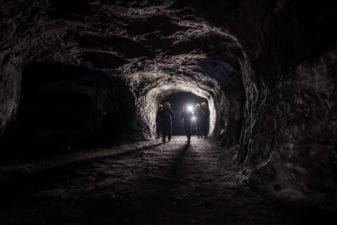
In the years following the Fukushima disaster, Cameco opted become more efficient, cut costs, limit new development, and prioritize lower-cost, high-output facilities over others — much like precious metal companies were forced to do in the wake of the drop in gold prices.
Is there still a market for uranium and Cameco?
Despite the weakness in prices, there’s still a considerable upside to the uranium market and Cameco, provided that investors can see through the short-term difficulties that persist in the market.
There are currently 450 reactors in operation around the world in 30 countries, all of which require uranium. Uranium contracts typically span several years at a time, and Cameco is likely in contracts to provide fuel for many of those reactors at a higher price than the current market value.
In terms of construction, many of those existing reactors are slowly reaching their usable limit, and new reactors to replace or upgrade them are in various stages of planning. Globally, there are 60 reactors under construction in over a dozen countries.
China and India in particular have ambitious growth projects underway that are reliant on massive amounts of new power generation. Both countries have opted for nuclear power, setting aggressive targets for new reactors to come online within the next three to four years.
Another problem with Cameco
Cameco is in the midst of an ongoing battle with the Canada Revenue Agency (CRA) stemming from a taxation issue several years ago. While the matter is still in court, a less than favourable outcome for Cameco could result in the company owing upwards of $2 billion to the CRA.
If there is a silver lining for Cameco in the ongoing CRA issue, it would be that the current stock price likely already factors in a negative outcome from the courts. Furthermore, if the courts were to rule in favour of Cameco, a surge on the stock is more than likely.
A final decision from the court isn’t due until later this year.
Is Cameco a good investment?
In my opinion, Cameco is a good investment option for those investors that are solely looking at the long-term prospects of the company. The current mix of new reactors and upgrades to existing reactors should greatly reduce any oversupply in the industry and eventually start to push prices up.
Investors looking more at the short-term performance and growth prospects of Cameco will be better suited with other investments that pose less risk and greater rewards.