The stratospheric rise of Bitcoin and other cryptocurrencies has caught many pundits by surprise. Since January 2017, Bitcoin’s value has soared more than seven-fold to over US$7,200, and there are signs that it will keep appreciating for at least the foreseeable future. This has sparked considerable controversy over whether or not its value is overinflated and if Bitcoin is in the midst of a massive bubble. One of the latest claims to emerge about the digital currency is that it is the new gold and a superior store of value to the lustrous yellow metal.
Now what?
While on initial appearances this seems to be a somewhat absurd claim, Bitcoin possesses many characteristics that potentially make it a store of value and, in some cases, superior to gold.
Key among those characteristics is its scarcity. The total supply of Bitcoin is capped at 21 million units, of which, just under 17 million are now in circulation. The remaining units will be produced over time by Bitcoin mining and other network-approved activities. That means Bitcoin can’t be diluted or debased, making it unique and a secure store of value.
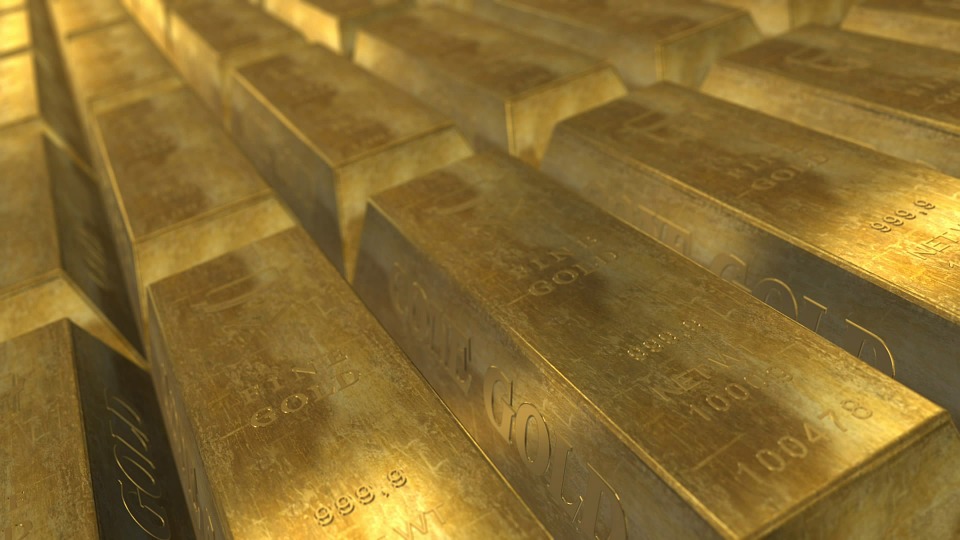
Gold, which is praised for its limited supply and inability to be debased, typically sees its supply increase when prices rise. This is because higher prices create an incentive for gold miners to ramp up production. The surge in gold since the start of 2017 has triggered a flurry of activity across the industry as gold miners focused on growing their gold output to take advantage of those higher prices.
This becomes quite clear when reviewing the third-quarter 2017 results for intermediate miner Kirkland Lake Gold Ltd. (TSX:KL)(NYSE:KL). It was able to almost double its gold production for the quarter compared to a year earlier to 139,000 ounces.
Nevertheless, Bitcoin’s limited supply combined with its portability and convenience as a means of conducting cross-border transactions certainly, in some ways, makes it superior to gold. When coupled growing investor distrust of governments, fiat currencies, and central banks, as well as claims that gold is being manipulated, these characteristics fueled a surge in interest in Bitcoin as a safe-haven asset when tensions in northeast Asia spilled over. This certainly lends some credence to claims that Bitcoin is the new gold, especially for tech-savvy millennials who are distrustful of central banks and traditional financial markets.
A commonly held misconception is that the Bitcoin Investment Trust (NASDAQOTH:GBTC) is one of the easiest means of gaining exposure to Bitcoin. While it does provide the usual benefits of investing in a traditional listed investment vehicle, it levies an annual fee of 2%, which over time eats into investors’ returns. That makes directly owning Bitcoin far more appealing.
So what?
While Bitcoin may possess some gold-like properties, it essentially is an untested asset with no intrinsic value that is subject to considerable volatility — not desirable characteristics for any store of value.
Furthermore, any investment in Bitcoin is highly speculative because it has no utility, meaning that its value is extrinsic, or solely determined by supply and demand.
For those investors seeking a hedge against geopolitical and economic uncertainty, they would be far better off increasing their exposure to gold by investing in a quality gold miner such as Kirkland. It has not only massively expanded its production since the start of 2017, but it’s also substantially reduced costs. All-in sustaining costs for the nine months to September 30, 2017, came in at US$811 per gold ounce or an impressive 14% lower than a year earlier. When considered in conjunction with its ability to significantly expand production and the positive outlook for gold, Kirkland should report some solid full-year results.