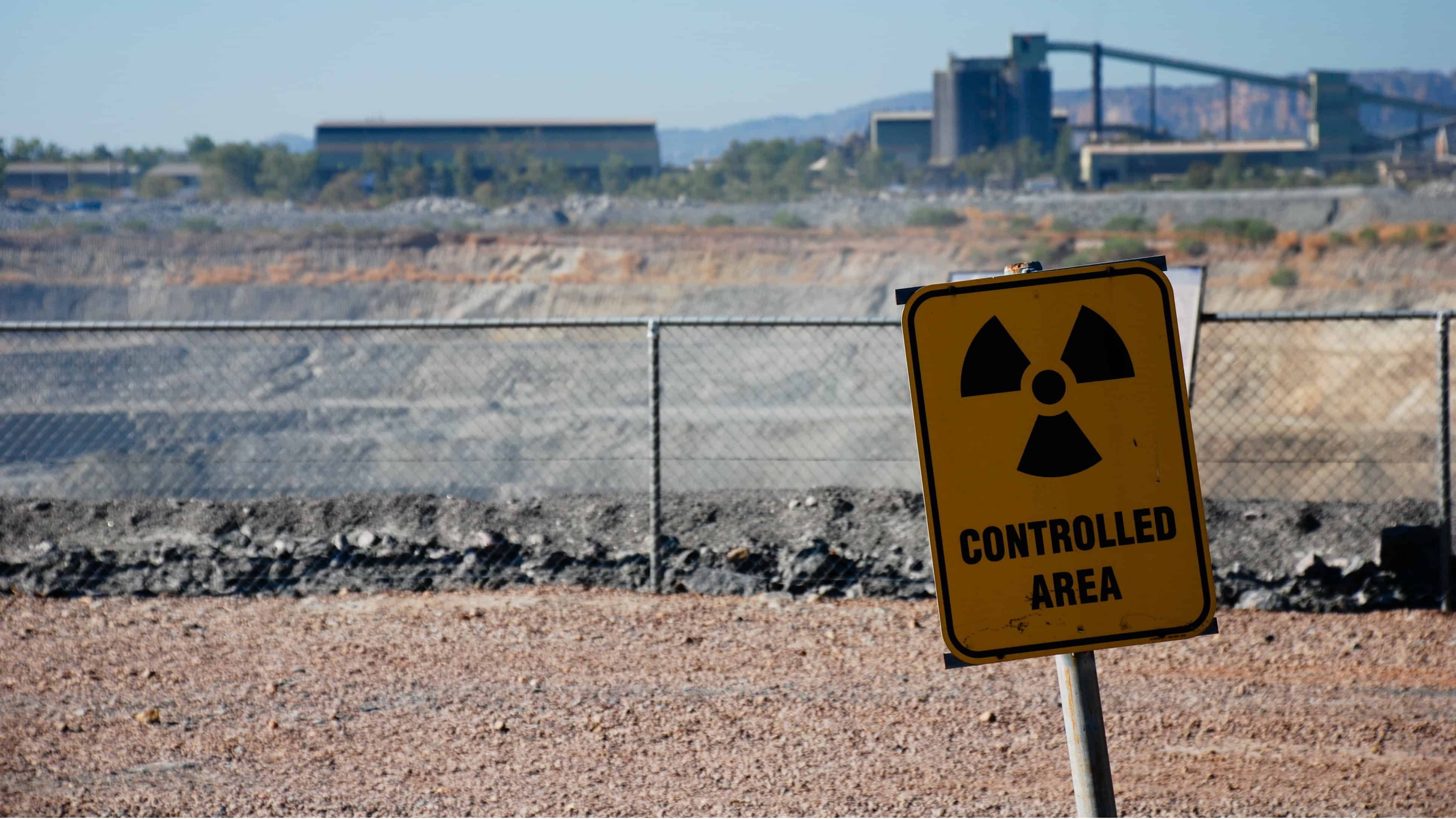
Uranium has been mired in a protracted slump since 2011 and despite claims by some pundits that a rally is looming, its price continues to fall, leaving it down by 12% over the last year. This has had a deleterious impact on uranium miners, with many — including the world’s largest publicly traded uranium miner Cameco Corp. (TSX:CCO)(NYSE:CCJ) shuttering mines and slashing production to reduce costs.
According to analysts, this, along with a dearth of investment in exploration and development as well as growing demand caused by new reactors coming online in coming years will drive uranium prices higher.
Nonetheless, there are signs that the prolonged slump is far from over.
Now what?
According to the World Nuclear Association, there are 57 reactors under construction globally, which, when combined with the 440 existing reactors should trigger an uptick in demand for uranium as they come online.
However, the situation is not as simple as the headline numbers would have investors believe.
In the wake of the 2011 Fukushima nuclear disaster, many nations are moving to wind down their dependence on nuclear power, especially now that some renewable sources of energy are cheaper to operate. Data collated by investment manager Lazard shows that solar and wind power produce electricity more cheaply than nuclear, as do natural gas-fired power plants.
Those sources of electricity do not have the same potential to cause massive environmental damage in the event of a catastrophic nuclear failure.
In mid-2018, the growing unpopularity of nuclear power saw South Korean President Moon Jae-in announce that the nation would not build new nuclear plants nor extend the lifespan of existing reactors. France has also flagged that it intends to reduce its reliance upon nuclear power, reducing the proportion of its electricity generated by nuclear plants from 75% t0 50% by 2025.
Since 2016, there has also been a sharp decline in the amount of money invested in building new nuclear reactors. During that year, only three gigawatts of nuclear capacity commenced construction, which was 60% lower than the average from the previous decade.
It should also be noted that many of the nuclear plants under construction are earmarked to replace existing reactors that are being retired because they have reached the end of their lifespan.
For these reasons, there is unlikely to be a substantial enough spike in demand to trigger a sustained uranium rally.
Supply constraints are also not as significant as some pundits believe.
While some producers such as Cameco have shuttered production, including its November 2017 decision to suspended production at its McArthur River mine by the end of January 2018, other sources of supply are coming online.
Namibia is determined to boost output from its uranium mines, viewing the radioactive metal as a means of generating economic growth and earning desperately needed export income. The African nation’s Rossing mine contains the world’s largest uranium deposit and Namibia believes it can supply 10% of the world’s uranium.
Smaller miners such as Australia’s Peninsula Energy Ltd. (ASX:PEN) have also ramped up activity despite the sustained weakness of uranium. For the first quarter 2018, Peninsula beat its first quarter 2018 production guidance by 9% and aims to continue doing so for the remainder of the year.
For these reasons, it is difficult to see a sharp decline in supply to give uranium a sustained lift.
So what?
The outlook for uranium remains poor. There is little evidence of a substantial lift in demand or major supply constraints, making it improbable that the radioactive metal will experience a sustained rally. This means there won’t be any significant improvement in Cameco’s performance. While the miner has done a great job of slashing costs, including reducing its dividend by 80%, it is unlikely to see a significant leap in profitability or cash flow. Thus, there is little upside available to investors and Cameco is unlikely to reinstate its dividend.